

Share with:



Spotting the signs
Welcome to Chickenpox Aware, your go-to resource for understanding chickenpox (or varicella, as it’s scientifically known). This highly contagious disease is caused by the varicella zoster (VZ) virus.1 While it’s easily spread, the good news is that once your child has had chickenpox, they typically won’t catch it again.2
If your child was born on or after 1 October 2024, chickenpox vaccination is now part of their routine childhood vaccinations. Check your child’s immunisation schedule and stay up to date.5
Identifying chickenpox can be tricky, especially since other illnesses can cause rashes. Keep an eye out for these early signs in your little one:

Initial Symptoms: The illness often begins with fever, aches, and an overall sense of feeling out of sorts for about 1 to 2 days.3

The Rash: Soon after, an itchy rash appears, transforming from small spots to blisters, and eventually scabs.2 The number of spots can vary – some kids are barely affected, while others may have rashes that cover most of their body.3

Contagion Risk: Remember, chickenpox is contagious and can be spread through the fluid from blisters and droplets from coughs or sneezes.2,3
Your child can be contagious from 2 days before the rash appears until all the blisters have crusted over, which generally takes about 5 to 7 days.2
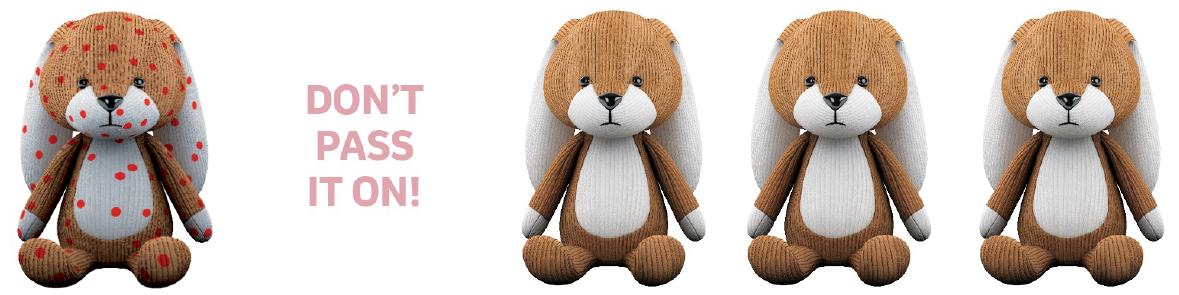
To protect others, especially those at higher risk like pregnant women and individuals with weakened immune systems, please keep your child away from school, preschool, or childcare until their spots have crusted over.2
Possible Complications
If your child develops infections, you may need to contact a healthcare professional.2 Possible infections include:
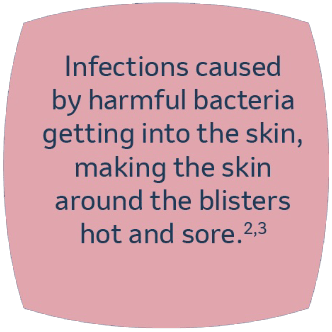
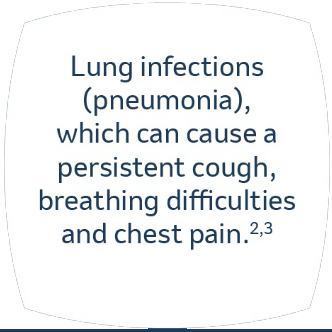
There might not always be signs of chickenpox complications. However, you should look out for hot or painful skin, difficulty breathing or dehydration.2
If you see any possible signs of complications, contact your GP, Practice Nurse or Pharmacist immediately.2
If you have had chickenpox, you have a greater risk of developing shingles in later life. This can happen when the immune system is low and the chickenpox virus becomes reactivated. Though they are both caused by the same virus, chickenpox and shingles are different diseases.2

High Risk Groups
Chickenpox can occasionally lead to serious complications, particularly for adults, pregnant women, newborns, and individuals with weakened immune systems.2
Pregnant Women
If a pregnant woman contracts chickenpox, there is a small risk that her baby could be born with a related condition, especially if she gets it later in her pregnancy (after 36 weeks).2
Post-Exposure Prophylaxis
If you or someone you know falls into a high-risk category and has had significant exposure to chickenpox, it’s crucial to seek immediate medical advice.3
When To Contact Your GP
Chickenpox is usually mild and clears up in about a week.3
However, some people can become seriously ill and need to see a doctor. 2

Contact your GP, Practice Nurse or Pharmacist if:2
- You think you have chickenpox.
- You get chickenpox as an adult. Adults have a higher risk of developing complications.
- If you’re pregnant, and haven’t had chickenpox before.
- You think your child has chickenpox and they are under 1 month old.
- You’re exposed to chickenpox and have a weakened immune system.
- The skin around the chickenpox blisters and is hot and sore.
- If your child is having trouble walking, very weak, and drowsy or hard to wake.
Treating and Preventing Chickenpox
There is no cure for chickenpox and the virus usually clears up by itself without any treatment.2

Consult Your Pharmacist
Your pharmacist can advise about medicines that may help relieve itching or reduce pain and discomfort.2

Avoid Scratching
This can lead to infections or scarring.
Keep your child’s nails short and consider using gloves or socks at night.2
Stay Hydrated
Encourage fluid intake to prevent dehydration.
Ice lollies can be a tasty and soothing way to keep your child hydrated, especially if they have spots in their mouth.2

Consult your doctor
If complications develop from chickenpox, it is crucial to consult your doctor, who will determine the appropriate course of treatment.
When booking a doctor appointment, make sure to inform the receptionist that your child has chickenpox. This information is vital, as you may need to arrange a special appointment to minimize the risk of infecting other patients in the waiting area.2
If your child was born on or after 1 October 2024, they are eligible for free chickenpox vaccination.5 As part of the Childhood National Immunisation Schedule, the vaccination is offered in 2 doses; one at 12 months of age, and the seecond in junior infants.5
Check your child’s immunisation schedule and stay up to date. Talk to your child’s GP or practice nurse about chickenpox today.
If your child was born before 1 October 2024, chickenpox vaccination will not be part of their routine vaccination schedule.5 You can speak to your GP nurse or GP for more information.
71%
Many parents are not aware yet that the chickenpox vaccination is now part of the national schedule with 71% reporting no awareness of a vaccination against Varicella.7
FAQs
Chickenpox (also called varicella) is a highly contagious illness caused by the varicella zoster virus.2 It usually causes a rash with itchy spots and blisters.2
Yes. A child can spread chickenpox from about 2 days before the rash appears until all blisters have crusted over, which usually takes 5 to 7 days. It is spread through the fluid from blisters and droplets from coughs or sneezes.2,3
Yes. To protect others (especially pregnant women and people with weakened immune systems) children should stay away from school, preschool, or childcare until all spots have crusted over.2
You should seek medical advice if you think you or your child has chickenpox, if an adult gets chickenpox, if you’re pregnant or immunocompromised and exposed, or if there are signs of complications such as hot or painful skin, breathing difficulties, dehydration, or extreme drowsiness.2
There is no cure, but symptoms can be managed. A pharmacist can advise about medicines that may help relieve itching or reduce pain and discomfort.2
Chickenpox is usually mild, but complications can occur, particularly in adults, pregnant women, newborns, and people with weakened immune systems. Contact a healthcare professional immediately if you notice warning signs.2
If your child was born on or after 1 October 2024, they are eligible for free chickenpox vaccination.5 Talk to your child’s GP or practice nurse about chickenpox today.
If your child was born before 1 October 2024, chickenpox vaccination will not be part of their routine vaccination schedule.5 You can speak to your GP nurse or GP for more information.
If your child was born on or after 1st October 2024, as part of the Childhood National Immunisation Schedule, the vaccination is offered in 2 doses; one at 12 months of age, and the second in junior infants.5
Check your child’s immunisation schedule and stay up to date.
Need more information on chickenpox?
Talk to your doctor, nurse, or pharmacist about chickenpox today

Resources
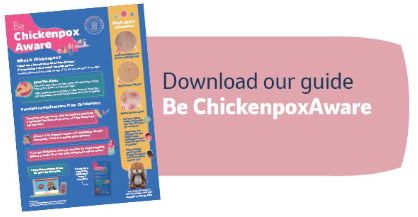
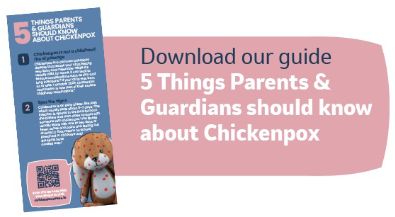
Help spread awareness, not chickenpox!
Download and share our informative guides to keep your loved ones and other parents informed and prepared.
- NHS – https://www.nhsinform.scot/illnesses-and-conditions/infections-and-poisoning/chickenpox – Accessed July 2026
- HSE – https://www2.hse.ie/conditions/chickenpox/ – Accessed July 2026
- NIAC Guidelines. Chapter 23 – https://rcpi.access.preservica.com/uncategorized/lO_b07eb36b-663e-4ba1-a310- 8104d8fda480/ – Accessed July 2026
- CDC. How to Treat Chickenpox – https://www.cdc.gov/chickenpox/treatment/index.html – Accessed July 2026
- HSE. Chickenpox Vaccine – https://www2.hse.ie/conditions/chickenpox/chickenpox-vaccine/ – Accessed July 2026
- HPSC Notifiable Disease Hub
- B&A Research 2025 (This research was commisioned by MSD Ireland)
Website developed, funded and provided by MSD. It is intended for members of the public to provide general educational information and does not take the place of professional medical advice. Refer to your healthcare professional if you have any questions regarding your health and treatment.
© 2026 Merck & Co., Inc., Rahway, NJ, USA and its affiliates. Registered Office: Red Oak North, South County Business Park, Dublin D18 X5K7 Ireland IE-VVX-00159 | Date of Preparation: August 2026